
The Cold-Case DNA Chain
I'll Be Gone in the DarkThis thread follows how preserved biological evidence and laboratory work connected apparently separate Southern California murders and redirected investigations away from early suspects.
increasing Bearing strength in each event
 decreasing
Bearing strength in each eventdecreasingA Suspicion Preserved
A Pattern Without Proof
Similar Scenes
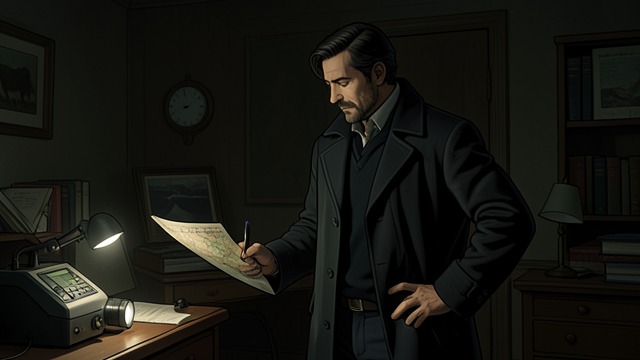
After the murders of Keith and Patty Harrington and Manuela Witthuhn, Orange County criminalist Jim White noticed parallels: couples attacked at home, women sexually assaulted, victims bound, and heavy objects from the houses used in the killings. The scenes suggested a related offender, but the cases belonged to different investigative teams.
White’s suspicion mattered because shared features could be easy to dismiss as coincidence when departments worked separately. He kept the connection in mind even though the available evidence offered no immediate scientific confirmation.
Evidence Waiting in Storage
The attacks left biological material that could later be examined, but the forensic methods available at the time could not identify the killer in the way later DNA testing could. Evidence remained stored while the cases grew cold.
The passage of years did not make the objects more informative by itself. A new testing method and a deliberate return to old evidence would be needed to turn White’s suspicion into a testable claim.
The First Profiles
Revisiting Old Kits
A New Laboratory Method
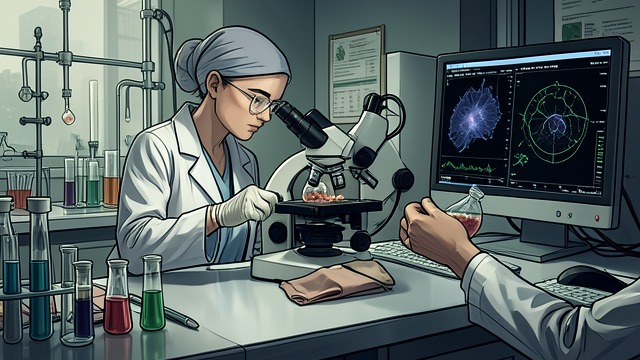
Mary Hong retrieved rape-kit evidence connected to the Harrington and Witthuhn cases from storage. The Orange County Crime Lab had adopted PCR-STR testing, which could work with smaller or degraded samples than the earlier approach.
The change made old evidence newly useful. Samples that had waited for years could now yield profiles suitable for comparison, offering a path forward where witness leads and conventional investigative work had stalled.
White’s Hunch Tested
White encouraged Hong to prioritize the two cases because he believed the same offender was responsible. She developed profiles from the biological material and compared them, finding a match.
The result transformed a subjective impression into a scientific connection. It established that the same unidentified man had been involved in both cases, though it did not yet reveal his name or the full reach of his crimes.
A Third Murder Connected
The Spreadsheet Match
An Unexpected Profile
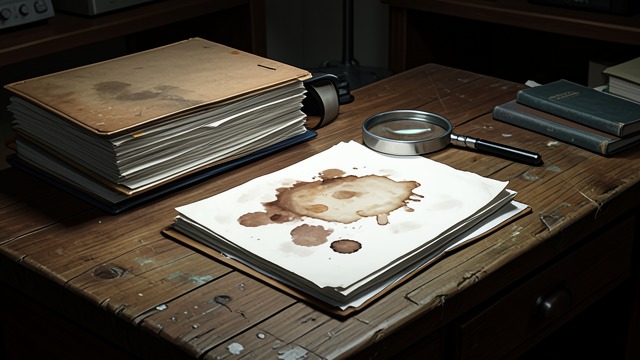
As Hong reviewed a spreadsheet of successfully developed profiles from unsolved cases, one entry matched the Harrington and Witthuhn results. It belonged to Janelle Cruz, murdered in her family home in Irvine in 1986.
No one had initially proposed that her killing belonged with the earlier cases. Cruz was younger, the time gap was considerable, and investigators had focused on the men in her personal life rather than an unknown serial offender.
A Wider Case Emerges
The laboratory match linked three murders through the same unidentified male DNA profile. It sharply weakened the assumption that Cruz’s killer must have been someone in her immediate circle and gave investigators a new framework for reviewing the crime.
The connection did not solve the murders, but it changed their scale. Cases once pursued separately now formed part of a broader series that could be investigated through shared forensic evidence.
Ventura Slides Arrive
The Slides in the Package
A Difficult Sample
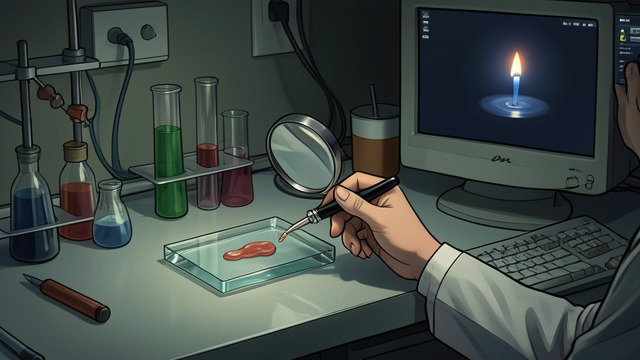
Larry Pool found a Ventura Police Department case number in the Harrington file and asked about the murders of Lyman and Charlene Smith. The department sent the available forensic material to Hong, but the package contained only a couple of glass slides rather than the fuller collection of samples she would have preferred.
Even with limited material, Hong developed a DNA profile from semen on the slides. The result excluded Lyman Smith as the source and matched the profile already found in the Harrington, Witthuhn, and Cruz cases.
A Suspect Theory Falls Away
The Smith murders had been clouded by suspicion of Joe Alsip, a friend and former business partner of Lyman’s. His preliminary hearing ended without enough evidence to keep the case against him, leaving investigators divided over whether the crime was personal or committed by a stranger.
The DNA match redirected attention from the disputed theory toward a serial offender. It connected the Ventura crime to murders in Orange County and showed how a small amount of preserved biological evidence could overturn years of assumptions.
A Statewide Series
From Local Cases to a Serial Case
Investigators Compare Results
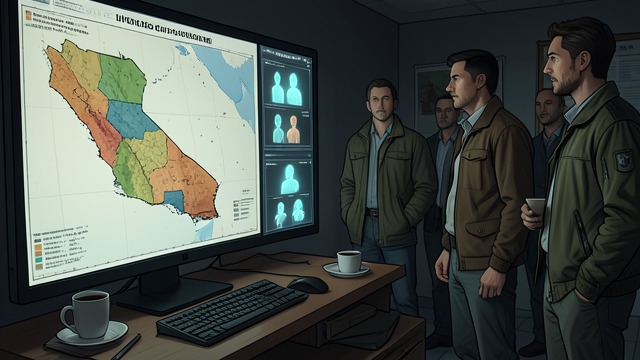
As laboratories developed compatible methods, investigators compared profiles across jurisdictions. Evidence from Contra Costa matched the profile already linked to the Southern California murders, tying Northern California rapes to the same unknown man.
The scientific result unified crimes that had been separated by geography, terminology, and agency boundaries. It gave the investigation a far larger evidentiary base and made the unidentified offender’s history more coherent.
The Search Continues
A DNA connection was not the same as an identification. The profile could exclude suspects and connect scenes, but it did not produce a name in the databases available to investigators at the time.
The chain of laboratory discoveries therefore both advanced and prolonged the case: it established the breadth of the series while leaving the central question unresolved. Old evidence had become active again, but the person behind it remained unknown.
1980 to 1981
October to November 1996
Late 1996
February 17, 1998
By 2001
